History Of Tunjungan

Chapter 1

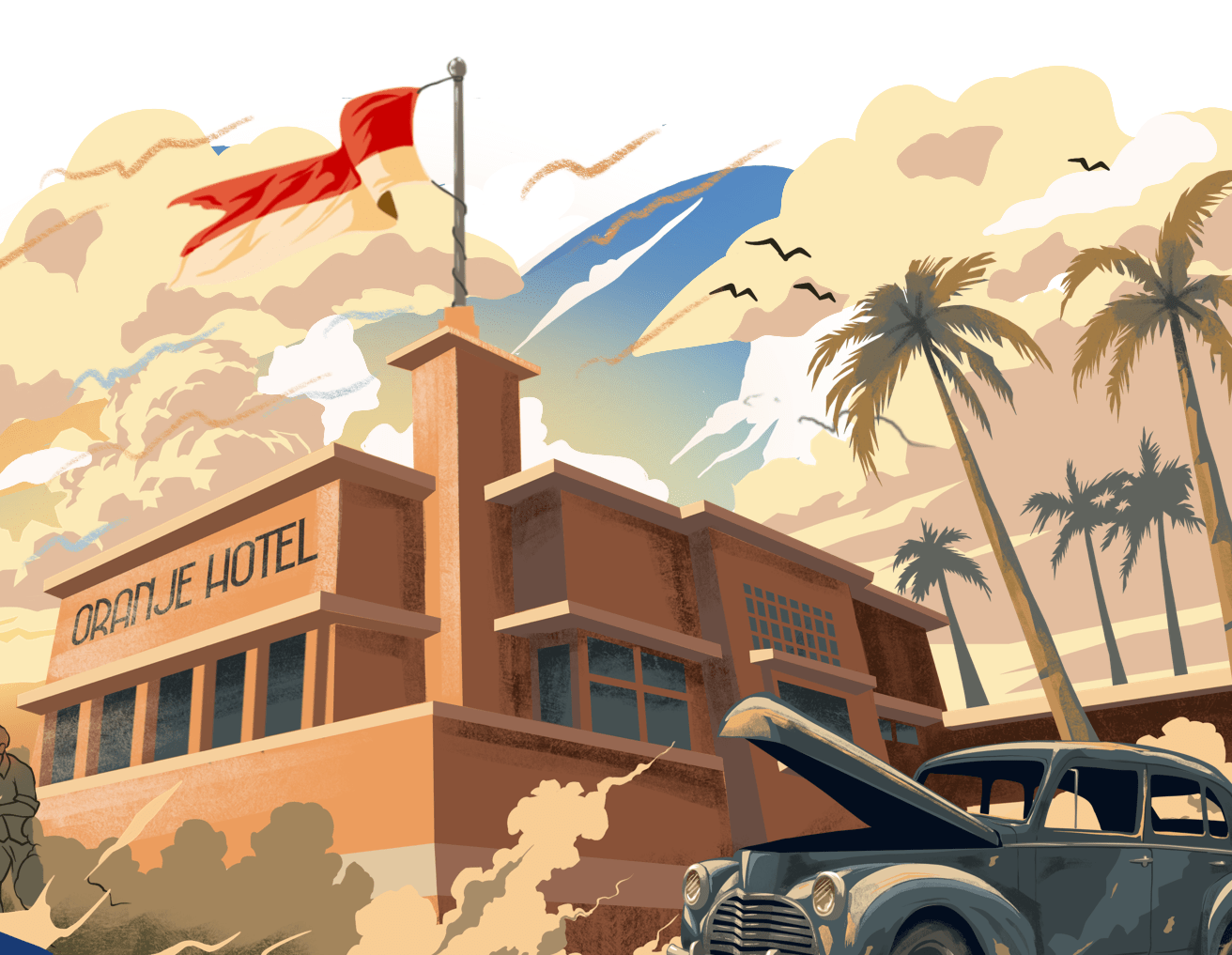
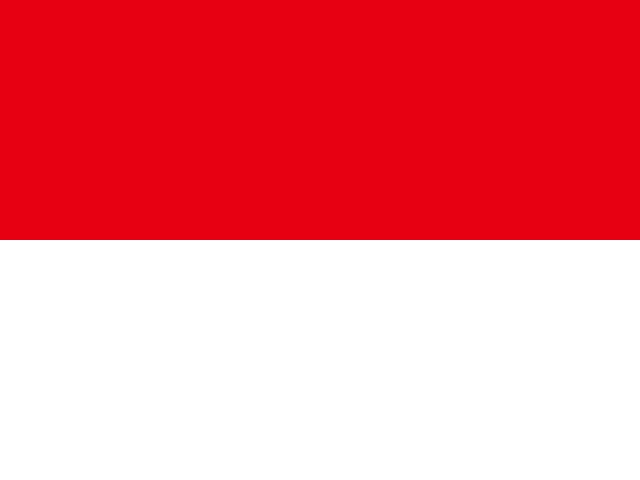
Following the Proclamation of the Republic of Indonesia in 1945, the Indonesian government issued a decree on August 31, 1945, mandating the flying of the national flag, the Sang Saka Merah Putih (Red and White) throughout the country. This was also carried out in Surabaya; however, as British and Dutch colonial troops entered the city, the security situation in the region became increasingly unstable. On September 18, 1945, Allied and Dutch forces belonging to the Allied Forces Netherlands East Indies (AFNEI) arrived in Surabaya, having been dropped from Liberator bombers onto the former Darmo airfield. Japanese military authorities accommodated them at the Hotel Yamato, which had been known as the Oranje Hotel during the Dutch colonial period and now known as the Majapahit Hotel. The hotel also served as the headquarters for the Rehabilitation of Allied Prisoners of War and Internees (RAPWI).
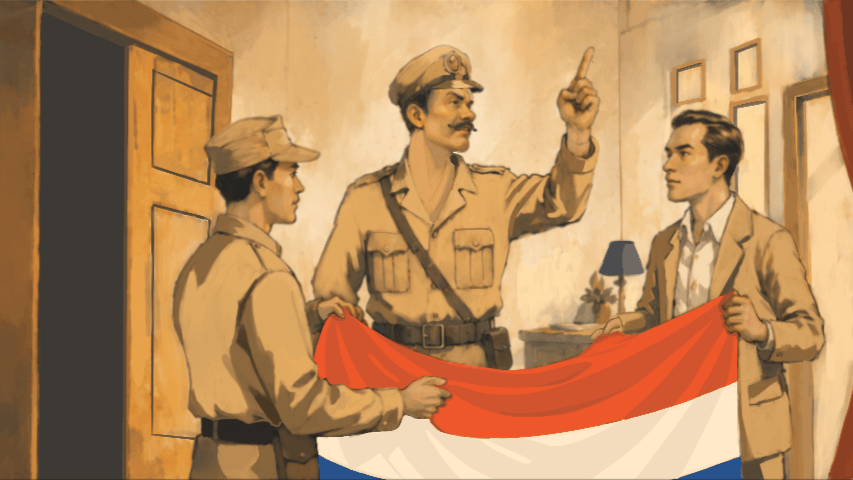
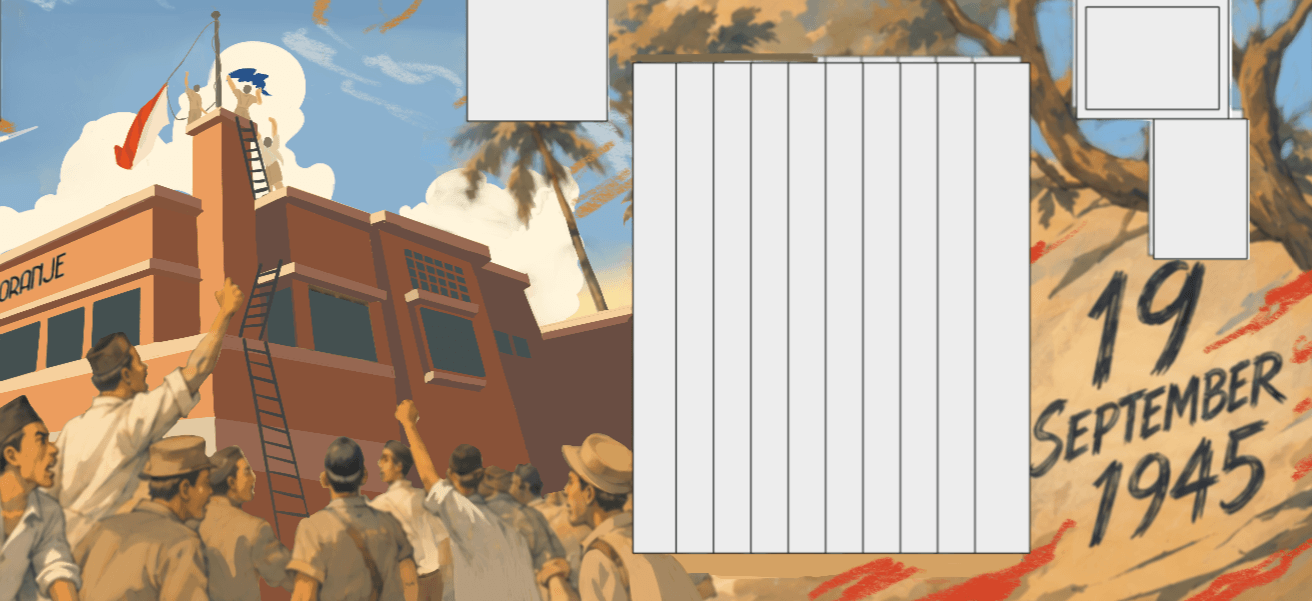
Then, on September 18, 1945, at exactly 9:00 p.m., a group of Dutch people led by Victor Willem Charles Ploegman raised the red, white, and blue Dutch flag-without the approval of the Surabaya Regional Indonesian Government-on the flagpole at the top of the north side of the Oranje Hotel in an attempt to reclaim power in Indonesia.

Chapter 2

As a result of these provocative actions, the next day, youths of Surabaya saw the Dutch flag being flown and were outraged, viewing the action as an insult to Indonesia's sovereignty. After the crowd had gathered, Soedirman, in his capacity as Resident or Regional Head of the Republic of Indonesia for the Surabaya Area, made his way through the crowd and entered the Oranje Hotel, escorted by Sidik and Hariyono. Resident Soedirman then met with the leader of the IEV (Indo-Europeesche Verbon), M. V. C. Ploegman, to negotiate the lowering of the Dutch flag so as not to provoke unrest among the people of Surabaya. However, the negotiations did not go smoothly. Ploegman refused to recognize Indonesia's sovereignty and was unwilling to lower the Dutch flag.
Tensions escalated when Ploegman drew a pistol and pointed it at Resident Soedirman, sparking a brawl between the two sides. Hariyono rescued Resident Soedirman, who immediately fled the Oranje Hotel to save himself. The brawl resulted in fatalities on both the Dutch and Indonesian sides. Ploegman was killed after being strangled by Sidik, while Sidik was killed after being struck by a Klewang slash from one of the IEV members during the fight; the force of the Klewang slash was so great that it split the bicycle Sidik had been using to protect himself.

Chapter 3

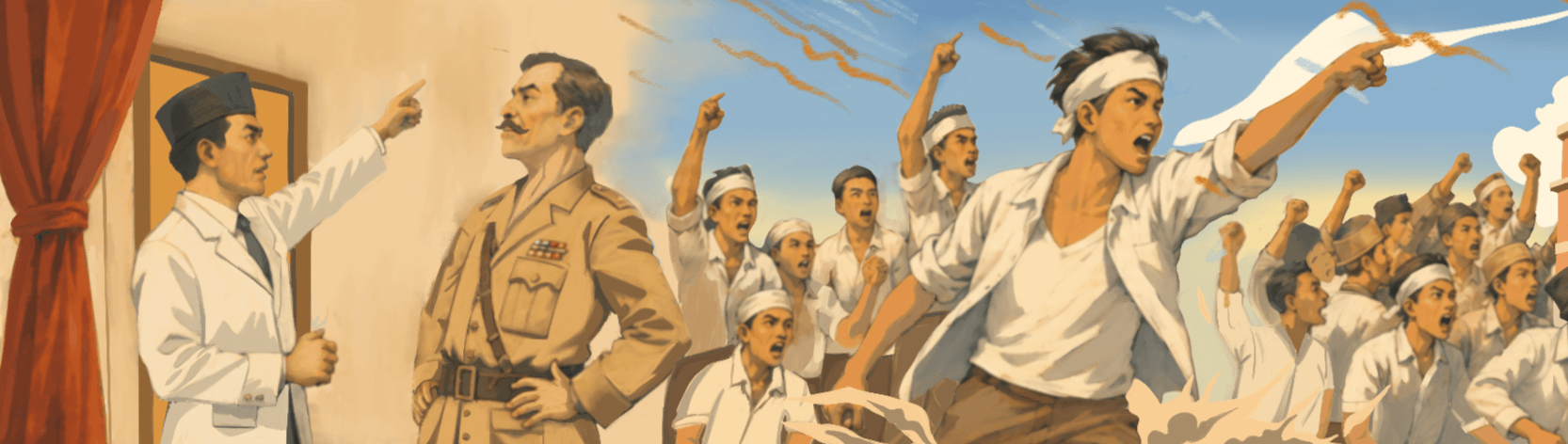
Outside the Oranje Hotel, young men from Surabaya-aware that the negotiations had collapsed-immediately stormed into the hotel, and a brawl broke out in the lobby. Some of the youths scrambled to the upper floors of the hotel to take down the Dutch flag. Then, Hariyono, who had initially been with Resident Soedirman, re-entered the hotel alongside Kusno Wibowo, who headed straight for the hotel's roof. There, they carried out a heroic act by lowering and tearing the blue Dutch flag, leaving only the red and white colors.
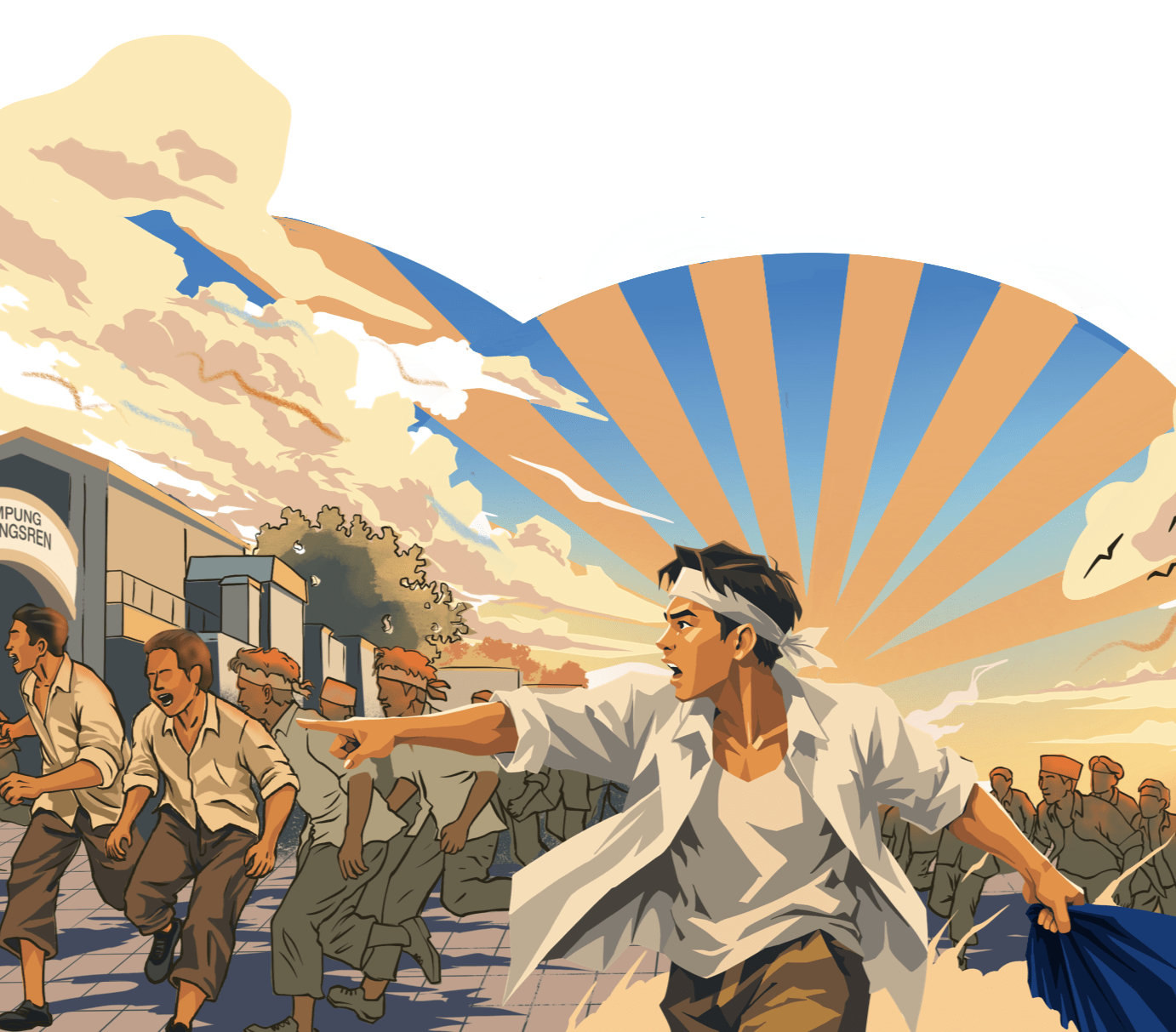
The flag incident at the Oranje Hotel sparked the youth of Surabaya to rise up against the Dutch colonialists. This action represented the people of Surabaya's resistance against the Dutch attempt at re-colonization and reaffirmed Indonesia's independence, marking the starting point of the Revolution in Surabaya.

Chapter 4

Following the flag-tearing incident, Hariyono and Kusno Wibowo raised the torn flag, with only the red and white sections remaining, back to the top of the flagpole. The young people of Surabaya gathered around Hotel Oranje, cheering in celebration of Indonesia's independence, while the crowd below repeatedly shouted, "Merdeka!" (Freedom!)
The incident further ignited the spirit of nationalism among the people of Surabaya, including local militias, police officers, and soldiers, strengthening their determination to defend Indonesia's independence.

Chapter 5

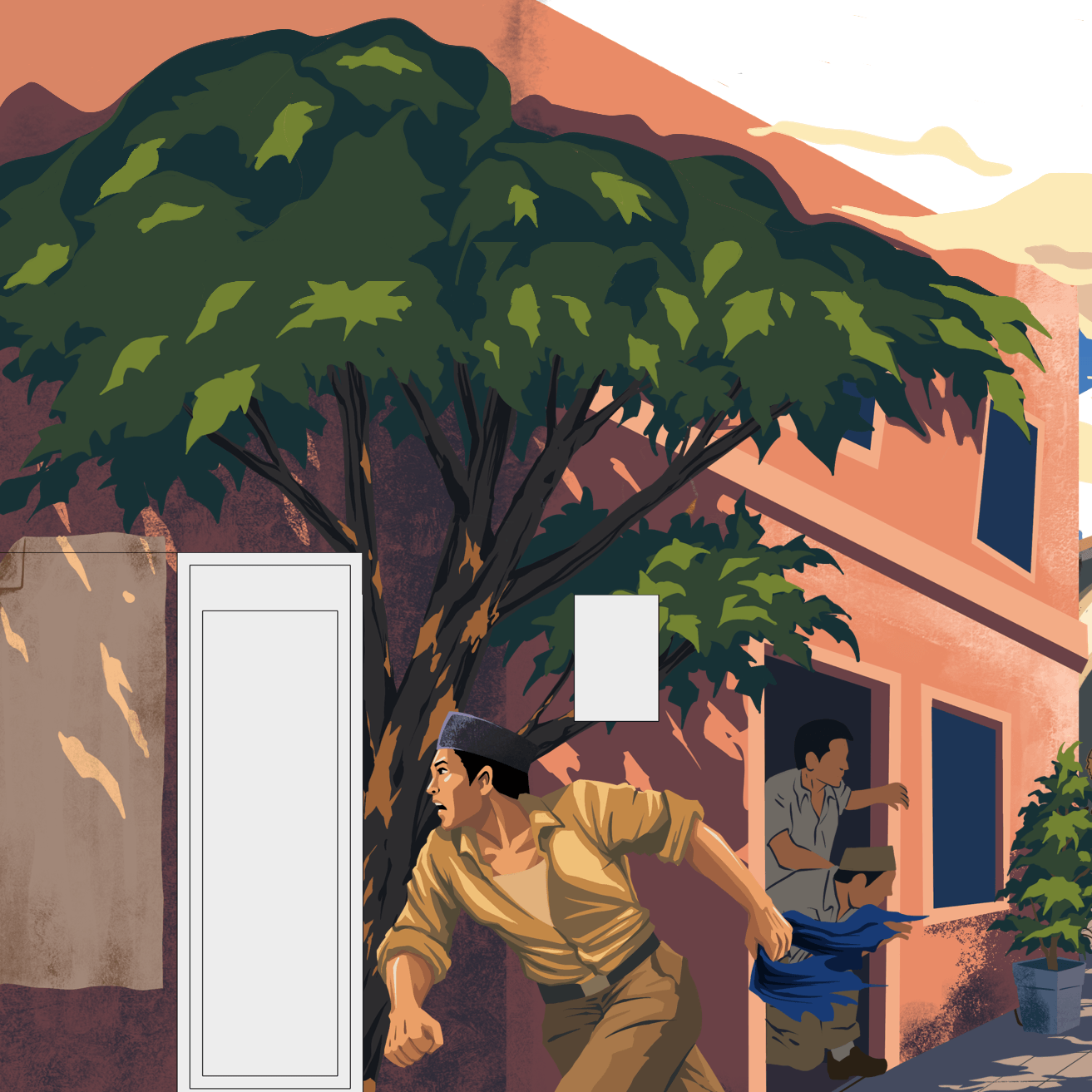
Hariyono was also wounded by a gunshot to the back of his head as he was climbing down from the tower; he was rescued and taken to Simpang Hospital. Shreds of blue cloth were thrown onto the streets and carried to the villages surrounding the Oranje Hotel to ignite the spirit of the people of Surabaya, reminding them that Indonesia's sovereignty and independence must continue to be safeguarded and defended.
After this incident, the youth of Surabaya united and rallied their forces to confront the Dutch and British troops and defend Indonesia's independence.

Chapter 6

After the incident in which the Dutch flag was torn down at the Oranje Hotel, the situation in Surabaya grew increasingly tense and on high alert. The Dutch were furious over the tearing down of their national flag. This heightened alertness then evolved into a firm resolve at the Samudera Meeting held at Tambaksari Field on September 21, 1945, which was followed by the disarmament of Japanese forces in Surabaya-a process that concluded in early October 1945. The Japanese weapons became the arsenal for the resistance of the Arek Suroboyo's resistance during the Battle of Surabaya, which took place from October 27 to 30, 1945, as well as the 21-day Battle of Surabaya from November 10 to December 1, 1945.
To commemorate the struggle and sacrifices of the thousands of heroes who fell while defending Indonesia's independence in Surabaya, the government of the Republic of Indonesia designated November 10 as Heroes' Day in 1945.

Source: Kompilasi oleh Begandring Soerabaia

Do you have a wall you'd like to enhance?

LET'S DISCUSS YOUR IDEA